Dermabrasion Skin Resurfacing Treatments in Maryland
Dermabrasion at Will Surgical Arts
Some skin concerns go deeper than what a topical cream or a light treatment can reach. Acne scars, deep wrinkles, and certain skin growths sit below the surface of the skin, and addressing them effectively requires a more direct approach. Dermabrasion is a surgical skin resurfacing treatment that does exactly that. It uses a specialized device to carefully abrade, or remove, the outermost layers of the skin to a precise depth, smoothing away imperfections and allowing fresh, new skin to grow back in their place.
Dermabrasion has been used by physicians for decades, and it remains one of the most effective options available for patients who want to significantly improve their skin's texture and appearance. At Will Surgical Arts, dermabrasion is performed by Dr. Michael Will and Dr. Brian Will . With their combined background in cosmetic surgery and a thorough understanding of skin and facial anatomy, our physicians bring exceptional precision to every treatment. They'll evaluate your skin carefully before recommending dermabrasion to make sure it's the right fit for your concerns and your goals.
If you're ready to explore what dermabrasion can do for your skin, request an appointment at Will Surgical Arts today.
What Dermabrasion Can Treat & What to Expect
How Dermabrasion Works
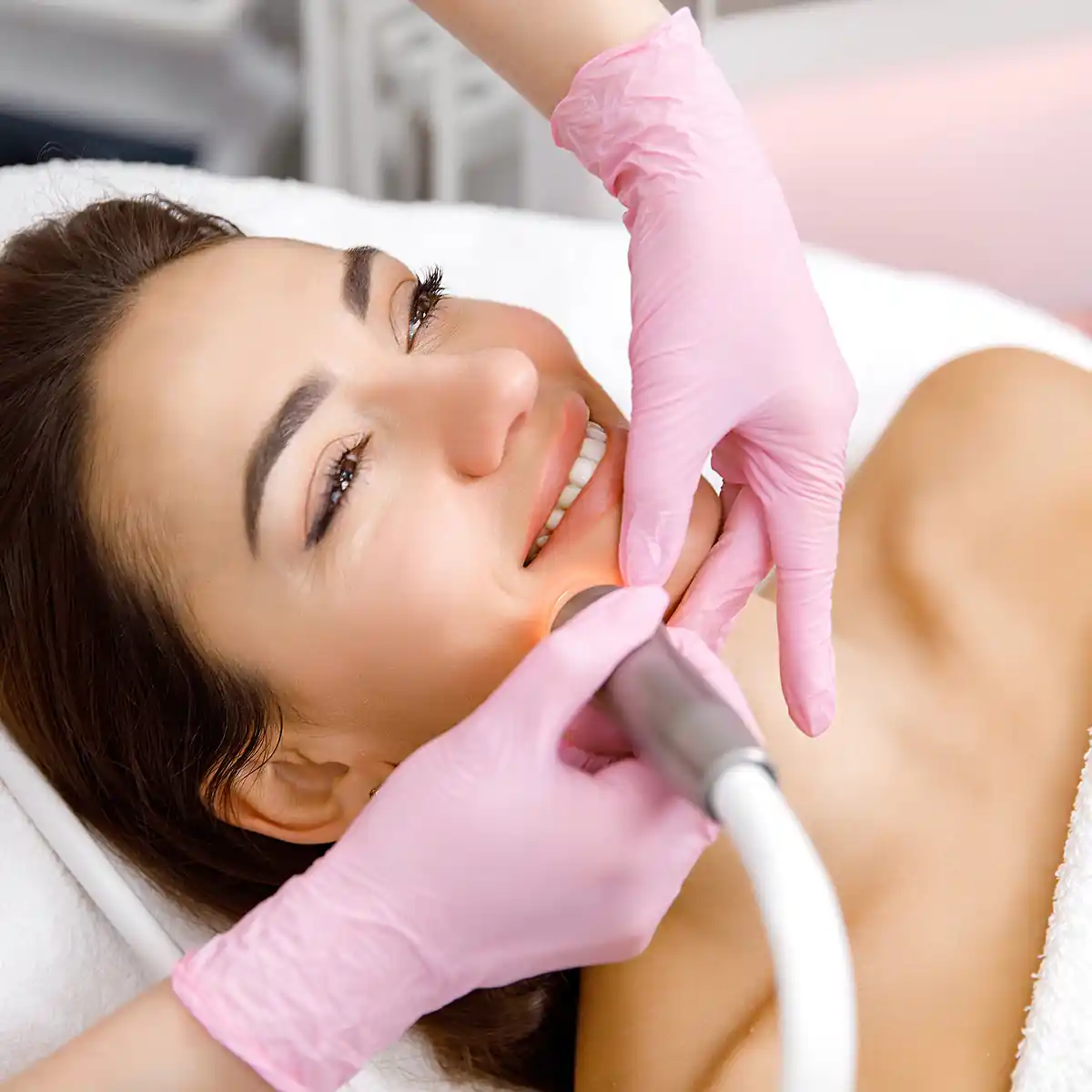
Dermabrasion works a bit like sanding a rough piece of wood. By carefully removing the uneven outer layers of the skin, the procedure reveals the smoother, healthier skin underneath and stimulates the body's natural healing process. As the skin heals, it regenerates with a more even texture and a fresher appearance.
The device used during dermabrasion is an electric motor fitted with a special abrasive tip. Your physician selects the technique, rotation speed, and movement pattern based on your skin type and the specific concern being treated. This level of control is what makes dermabrasion such a precise and customizable treatment. With smooth, controlled movements, your physician passes the device over the skin to carefully contour and resurface the area.
What Dermabrasion Can Treat
Dermabrasion is well-suited for a range of skin concerns, including:
- Acne scars
- Surgical or injury-related scars
- Fine lines and wrinkles around the mouth
- Rhinophyma (thickening of the skin on the nose)
- Actinic keratoses and seborrheic keratoses (rough, scaly skin growths)
- Angiofibromas (small, benign skin lesions)
Not everyone is a good candidate for dermabrasion, and certain skin conditions may affect how well the skin heals afterward. Patients who are prone to conditions like keloid scarring, hyperpigmentation (darkening of the skin), or hypopigmentation (lightening of the skin) should discuss this with their physician during the consultation. Our physicians will take a thorough look at your medical history and your skin before moving forward to make sure dermabrasion is the safest and most effective option for you.
Frequently Asked Questions
How is dermabrasion different from microdermabrasion or chemical peels?
Dermabrasion is a surgical procedure that uses a motorized abrasive device to physically resurface the skin to a controlled depth. It's generally more intensive than microdermabrasion, which only targets the very surface of the skin, and it works differently than chemical peels , which use acids to loosen and remove skin cells. Because dermabrasion is more precise and penetrates more deeply, it's often a better fit for patients dealing with significant scarring, deep wrinkles, or skin growths that require more than surface-level treatment. Your physician will help you determine which approach is right for your skin.
Is dermabrasion painful, and will I need anesthesia?
Your comfort is a priority during any procedure at Will Surgical Arts. Dermabrasion is typically performed with some form of anesthesia or numbing to keep you comfortable throughout the treatment. The type used will depend on the size of the area being treated and the depth of the procedure. Your physician will discuss the anesthesia plan with you during your consultation so you know what to expect and feel fully prepared. After the procedure, some tenderness and sensitivity in the treated area is normal, and your physician will recommend appropriate steps to keep you comfortable during recovery.
How long does it take to see results from dermabrasion?
The healing process after dermabrasion takes time, and the timeline varies depending on the depth of the treatment and the size of the area treated. In the first week or two, the skin goes through an active healing phase where it may look red, feel sensitive, and begin to peel. As healing progresses, the new skin that emerges will gradually look smoother and more even. Most patients start to see noticeable improvement within a few weeks, with continued refinement over the following months as the skin fully heals. Your physician will give you a realistic sense of what your recovery timeline will look like based on your specific treatment.
How do I book an appointment for dermabrasion near me?
Getting started is easy. You can request an appointment online or give us a call at (301) 874-1707 , and a member of our friendly team will get you set up. One of our physicians will meet with you personally to evaluate your skin, discuss your goals, and let you know whether dermabrasion is the right option for you. We look forward to helping you get the results you're looking for!