Meet with an Expert Facial Cosmetic Surgeon Near You
Facial Reconstruction at Will Surgical Arts
Sometimes an injury heals on its own, but not quite the way it should. Bones that weren't properly set may have shifted out of alignment. Tissue that was damaged may have healed in a way that affects how things look or function. In cases like these, the original injury is no longer acute, but that doesn't mean nothing can be done about it.
Facial reconstruction is a secondary procedure, meaning it comes after the initial injury or condition has already healed. Rather than repairing fresh damage, it focuses on correcting what's been left behind. Bones may need to be moved, reconstructed, or grafted to restore proper structure and function.
At Will Surgical Arts in Ijamsville,MD, Dr. Michael Will and Dr. Brian Will are oral and maxillofacial surgeons with the training and experience to take on complex reconstructive cases. Whether your situation stems from an old injury, a condition you were born with, or changes that followed another surgery, our team can evaluate your needs and help you understand what's possible.
Ready to explore your options? Request a consultation at Will Surgical Arts today.
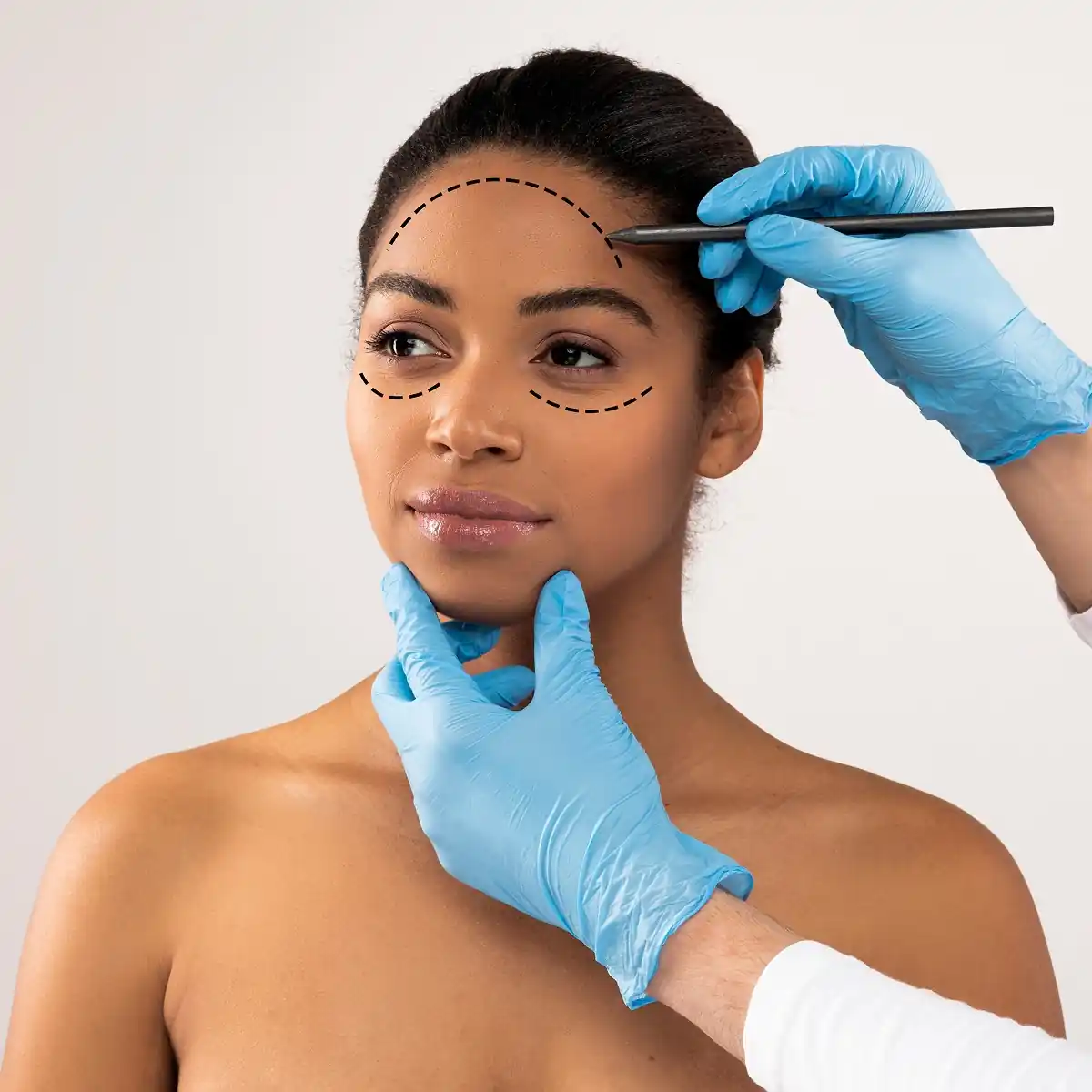
Issues a Facial Reconstruction Surgeon Can Address
A Closer Look at Facial Reconstruction Surgery
Facial reconstruction covers a range of situations, but they share a common thread: something about the face's structure needs to be corrected or restored, and it requires a surgical approach to do it well.
Who Is a Candidate for Facial Reconstruction?
Facial reconstruction is typically considered in three types of situations.
The first is older traumatic injuries. If someone experienced a facial fracture, a broken jaw, or other significant facial trauma in the past that wasn't fully treated at the time, or that healed in a way that left lasting problems, reconstruction may be the right path forward. Unlike facial trauma surgery which happens right after an injury, reconstruction comes later, once the initial healing is complete and a clearer picture of what needs to be corrected has emerged.
The second is congenital defects, meaning conditions a person is born with that affect the structure of the face or jaw. These can involve the bones, the soft tissue, or both, and they sometimes require surgical correction to improve function or appearance.
The third is post-surgical changes. After procedures like tumor removal, the face may be left with defects in the bone or surrounding tissue that need to be rebuilt. Reconstruction in these cases focuses on restoring as much of the original structure as possible.
What the Surgery Involves
The specifics of any facial reconstruction procedure depend entirely on what needs to be corrected and where. In general, the work involves repositioning, rebuilding, or grafting bone and tissue to restore proper facial anatomy. Our surgeons approach each case individually, starting with a thorough evaluation of your anatomy and your goals, so that the plan is tailored to your specific situation rather than a one-size-fits-all approach.
Because this kind of surgery requires a surgeon who understands both the technical demands of working with facial bone and tissue and the long-term effects on how you look and function, it's important to seek care from a qualified oral and maxillofacial specialist. Our surgeons bring decades of combined experience in complex facial surgery to every reconstructive case.
Frequently Asked Questions
Does facial reconstruction only address how someone looks, or does it also help with function?
Both. Facial reconstruction is concerned with structure, and structure affects both appearance and function at the same time. A misaligned jaw, for example, can make it difficult to chew or speak clearly, not just affect how the face looks. Bone grafting and repositioning are done with both goals in mind: restoring the proper architecture of the face so that it works the way it should and looks as natural as possible. Our surgeons take a careful, individualized approach to each case with that dual goal front and center.
How do I know if I'm a candidate for facial reconstruction?
The best way to find out is to schedule a consultation. Our surgeons will review your history, evaluate your current situation, and help you understand whether reconstruction is appropriate for your needs and what it would involve. Candidates typically have an older injury that didn't heal correctly, a congenital condition affecting the facial structure, or changes to the face following a previous surgical procedure. There's no single checklist that covers every case, which is why a one-on-one conversation with a qualified surgeon is always the right starting point.
How do I book a consultation for facial reconstruction surgery near me?
Scheduling at Will Surgical Arts is easy! You can request an appointment online or give us a call at (301) 874-1707 , and a member of our friendly team will get you set up. We serve patients from throughout the Frederick area and the greater Washington, DC metro region, and we look forward to seeing you.